
BPC-157
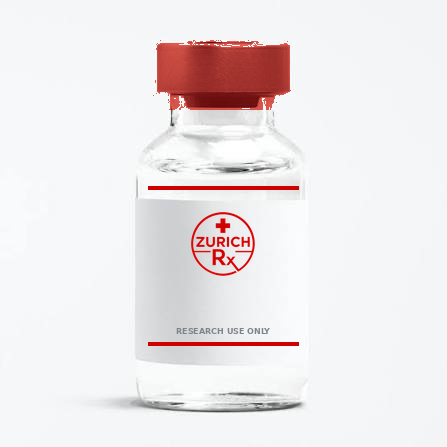
Compound Overview
BPC-157 (Body Protection Compound-157) is a synthetic 15-amino acid peptide derived from a partial sequence of a naturally occurring protein found in human gastric juice. Owing to its stability and relatively simple structure, BPC-157 has become a widely studied investigational peptide in laboratory research focused on peptide biology, cellular signaling, tissue physiology, and molecular mechanisms.
Researchers continue to investigate BPC-157 in experimental models to better understand its interactions with cellular signaling pathways involved in angiogenesis, extracellular matrix remodeling, nitric oxide (NO) signaling, and tissue homeostasis. Its diverse biological activity has made it a valuable tool for studying peptide-mediated cellular responses, pharmacokinetics, and structure-activity relationships.
As an investigational research peptide, BPC-157 is used in preclinical laboratory studies to explore mechanisms of cellular communication, vascular biology, and regenerative processes. Ongoing research seeks to further characterize its molecular targets and pharmacological properties in controlled experimental settings.
Research Applications
Research applications are presented for educational and informational purposes only and do not imply approved therapeutic uses.
Product Specifications
| Purity | 99% |
| Appearance | White to Off-White Lyophilized Powder |
| Molecular Formula | C62H98N16O22 |
| Molecular Weight | 1,419.53 g/mol |
| Storage | Store refrigerated at 2–8°C (36–46°F). For extended storage, maintain at −20°C or below. Protect from moisture and direct light. |
| CAS Number | 137525-51-0 |
| Research Grade | Laboratory Research Use Only |
Available Sizes
Pricing: Inquire — contact our team for current pricing and availability.
Product Documentation
Every batch of BPC-157 is independently tested and assigned its own lot number. When you request documentation, include the product name and lot number printed on your vial so we can send the COA, HPLC, and MS data specific to the batch in your hand — not a generic reference sample. Request documentation →
Laboratory Handling
Store refrigerated immediately upon receipt to preserve peptide stability. For long-term laboratory storage, freezing at −20°C or below is recommended. Keep the lyophilized peptide protected from moisture, excessive heat, and direct sunlight. Avoid repeated freeze-thaw cycles following reconstitution, as they may reduce peptide stability. Allow the vial to equilibrate to room temperature before opening to minimize condensation, and use sterile equipment together with appropriate aseptic laboratory techniques during handling. This product is intended for use only by qualified research personnel operating in controlled laboratory environments.
Selected Scientific Literature
- Sikiric P, Seiwerth S, Rucman R, et al. Stable Gastric Pentadecapeptide BPC 157: Novel Therapy in Gastrointestinal Tract and Wound Healing. Current Pharmaceutical Design.
- Sikiric P, Hahm KB, Blagaic AB, et al. Stable Gastric Pentadecapeptide BPC 157 and Tissue Healing. Journal of Physiology Paris.
- Vukojević J, Siroglavić M, Kašnik K, et al. The Stable Gastric Pentadecapeptide BPC 157 as a Cytoprotective Mediator. Biomedicines.
- Sikiric P, et al. BPC 157 and the Nitric Oxide System: Experimental Evidence and Mechanistic Insights. Current Pharmaceutical Design.
Compare with related compounds
Other compounds researchers commonly browse alongside BPC-157 in Healing & Recovery.
| Compound | Purity | Molecular Weight | CAS Number |
|---|---|---|---|
| BPC-157 | 99% | 1,419.53 g/mol | 137525-51-0 |
| TB-500 (THYMOSIN BETA-4 FRAGMENT) | 99% | 4,963.44 g/mol | 77591-33-4 (Thymosin Beta-4; TB-500 itself does not have a universally recognized CAS assignment, and suppliers often reference the parent peptide.) |
| BPC-157 + TB-500 BLEND | 99% (Each Peptide) | — | Blend – Not Applicable |
| GHK-Cu (COPPER TRIPEPTIDE-1) | 99% | 403.93 g/mol | 89030-95-5 |
| Glow Blend (Cu50 + TB10 + BPC10) | 99% (Each Peptide Component) | 70 mg | — |
Need a Certificate of Analysis?
Request COAs, HPLC, or MS documentation for BPC-157.