
GLUTATHIONE (REDUCED L-GLUTATHIONE)
Compound Overview
Glutathione (Reduced L-Glutathione, GSH) is a naturally occurring tripeptide composed of glutamic acid, cysteine, and glycine. It is one of the most abundant intracellular thiol-containing molecules found in mammalian cells and plays a central role in cellular redox biology, antioxidant systems, and biochemical homeostasis. Owing to its unique γ-glutamyl peptide bond, glutathione exhibits enhanced resistance to intracellular enzymatic degradation compared with conventional peptides.
Researchers have extensively investigated glutathione for its involvement in oxidative stress regulation, cellular detoxification pathways, mitochondrial function, sulfur metabolism, and redox-dependent cellular signaling. It serves as an essential cofactor for numerous enzymes, including glutathione peroxidases, glutathione S-transferases, and glutathione reductase, making it a valuable research compound in molecular biology, biochemistry, toxicology, and cellular physiology.
As an investigational peptide, glutathione supports laboratory research involving antioxidant defense mechanisms, mitochondrial biology, cellular metabolism, protein homeostasis, and structure-function relationships.
Research Applications
Research applications are presented for educational and informational purposes only and do not imply approved therapeutic uses.
Product Specifications
| Purity | 99% |
| Appearance | White to Off-White Lyophilized Powder |
| Sequence | γ-Glu-Cys-Gly |
| Molecular Formula | C10H17N3O6S |
| Molecular Weight | 307.32 g/mol |
| CAS Number | 70-18-8 |
| Storage | Store refrigerated at 2–8°C (36–46°F). For extended laboratory storage, maintain at −20°C or below. Protect from moisture, heat, and light. |
| Research Grade | Laboratory Research Use Only |
Available Sizes
Pricing: Inquire — contact our team for current pricing and availability.
Product Documentation
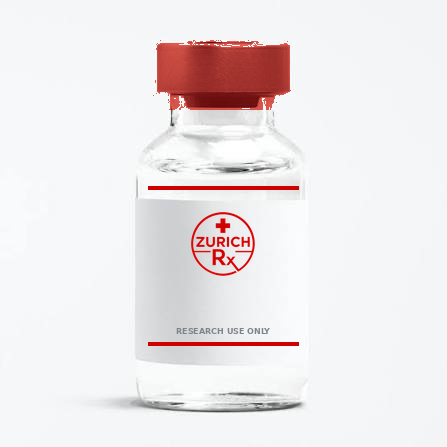
Every batch of GLUTATHIONE (REDUCED L-GLUTATHIONE) is independently tested and assigned its own lot number. When you request documentation, include the product name and lot number printed on your vial so we can send the COA, HPLC, and MS data specific to the batch in your hand — not a generic reference sample. Request documentation →
Laboratory Handling
Store refrigerated immediately upon receipt to preserve product stability. For extended laboratory storage, freezing at −20°C or below is recommended. Protect the lyophilized powder from moisture, excessive heat, and direct light. Following reconstitution, avoid repeated freeze-thaw cycles, as these may reduce chemical stability. Allow the vial to reach room temperature before opening to minimize condensation, and always use sterile laboratory equipment together with appropriate aseptic laboratory techniques. This product is intended for use only by qualified research personnel operating in controlled laboratory environments.
Selected Scientific Literature
- Meister A, Anderson ME. Glutathione. Annual Review of Biochemistry.
- Lu SC. Glutathione Synthesis. Biochimica et Biophysica Acta (BBA) – General Subjects.
- Forman HJ, Zhang H, Rinna A. Glutathione: Overview of Its Protective Roles, Measurement, and Biosynthesis. Molecular Aspects of Medicine.
- Jones DP. Redefining Oxidative Stress. Antioxidants & Redox Signaling.
Compare with related compounds
Other compounds researchers commonly browse alongside GLUTATHIONE (REDUCED L-GLUTATHIONE) in Immune & Antioxidant.
| Compound | Purity | Molecular Weight | CAS Number |
|---|---|---|---|
| GLUTATHIONE (REDUCED L-GLUTATHIONE) | 99% | 307.32 g/mol | 70-18-8 |
| THYMOSIN ALPHA-1 (Tα1) | 99% | 3,108.3 g/mol | 62304-98-7 |
| LL-37 (HUMAN CATHELICIDIN ANTIMICROBIAL PEPTIDE) | 99% | 4,493.27 g/mol | 154947-66-7 |
| KPV (LYS-PRO-VAL) | 99% | 358.43 g/mol | 67727-97-3 |
Need a Certificate of Analysis?
Request COAs, HPLC, or MS documentation for GLUTATHIONE (REDUCED L-GLUTATHIONE).